
REVIEW · DESERT SUNSETS AND STARGAZING
Stargazing Adventure in Jordan
Stars feel close in Wadi Rum. This night tour uses the desert’s naturally low light pollution and pairs it with pro astronomers so you do more than stare, you learn how the sky works as it turns overhead. I especially like the hands-on naked-eye sky guidance right where you can see the constellations.
My other big favorite is the technology time: you get guided views through GPS-enabled telescopes aimed at far-off galaxies, nebulae, planets, and even moons. It is only 1 hour 30 minutes, but it moves fast in a good way, with a presentation, a constellation session, then telescope time.
One thing to keep in mind: the experience needs good weather. If the sky is hazy or cloudy, you may not get the crisp views you hoped for, and the group format means it is not a private, quiet observing session.
In This Review
- Key Things You Should Know
- Wadi Rum After Dark: Why This Area Is Built for Real Stargazing
- The 20-Minute Seated Presentation That Actually Prepares You
- Green Laser Constellation Walk: Finding Directions in Real Time
- GPS Telescopes: Galaxies, Nebulae, Planets, and Moons in One Show
- Transfers From Wadi Rum Camps: The Best Kind of Logistics
- Price and Value: Is $30 Worth It for Stargazing in Jordan?
- Photos and the Time-Exposure Finish
- Who This Tour Fits Best, and Who Might Skip It
- Weather, Desert Timing, and What to Watch for
- Should You Book RumSky Adventure Stargazing in Wadi Rum?
- FAQ
- Where is the stargazing adventure located?
- How much does the tour cost?
- How long is the experience?
- What time does pickup usually happen?
- Is transportation included?
- What happens during the night sessions?
- What can you see with the telescopes?
- What is included in the price?
- What is not included?
- Is there a weather backup if it is cloudy?
Key Things You Should Know
- Low light pollution in Wadi Rum makes stars stand out more than you will get in many other spots.
- Two guided sessions split the group, then swap, so you get both laser constellations and telescope views.
- A 20-minute astronomy talk sets you up in a seated hall before you step outside.
- GPS telescopes point at galaxies, nebulae, planets, and moons, guided by a professional astronomer.
- Free round-trip transfers for most camps mean you do not need desert night driving.
- Time-exposure group photo gives you a fun souvenir shot with sky objects.
Late light and dark skies, other bookings
Wadi Rum After Dark: Why This Area Is Built for Real Stargazing
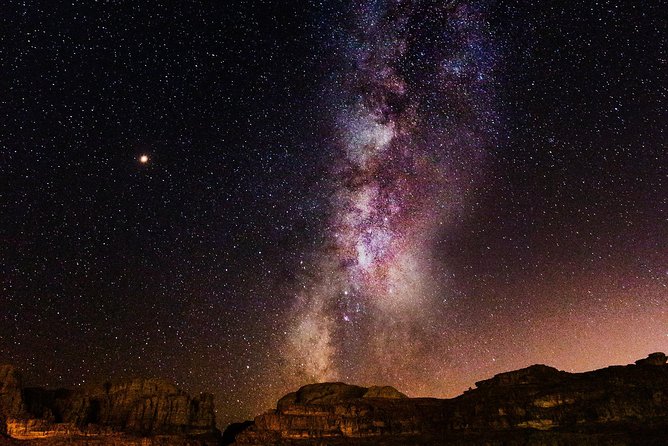
Wadi Rum is one of those rare places where the sky does not just look pretty, it becomes readable. The tour specifically leans on the fact that this region has low light pollution, which matters more than most people expect. When the background glow is low, faint stars and details become visible, and the astronomy part actually lands.
The night is paced so you are not just waiting for darkness. You start with a short indoor presentation, then you go outside while the sky is transitioning into full night conditions. That flow helps if you are new to stargazing, because you are learning what to look for while the sky is still getting better.
Also, you are not hauling yourself across the desert in the dark. The experience includes round-trip transfers from most Wadi Rum camps, which is a huge quality-of-life win. You can focus on the sky instead of worrying about routes, timing, or driving.
The 20-Minute Seated Presentation That Actually Prepares You
Before you step into the dark, you start in a seated hall for a 20-minute astronomy presentation. It is shown on a large screen, and it is guided by a professional astronomer. In practice, this is where you learn the “how” so the later sessions are not random star spotting.
This talk covers basics that matter for real orientation. You get help understanding what you see and why it looks like it is moving. Then you are guided toward using constellations and the zodiac as reference points, not just names floating in the sky.
You also get context for the stories attached to star groups, including mythologies from different cultures. That storytelling piece is not filler. It makes the sky feel human, and it gives you mental hooks for remembering what you find later outside.
Green Laser Constellation Walk: Finding Directions in Real Time
After the presentation, the group splits in half for the first sky session. Group 1 follows a green laser that is laid out with a candle track. It sounds simple, but it is an effective way to teach direction and spacing. Your eyes stay locked on the same patterns long enough to connect the dots.
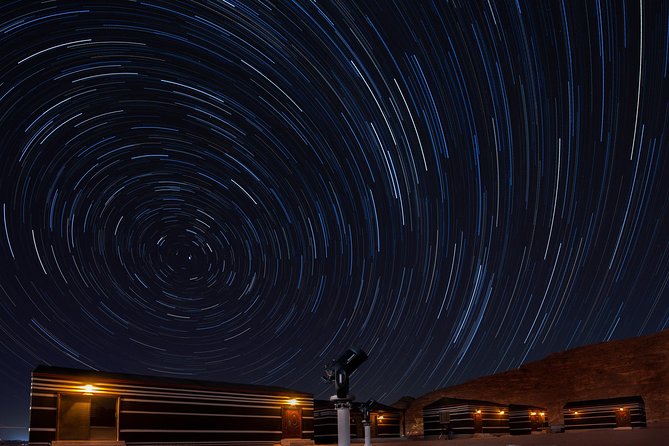
During this session, a professional astronomer guides you through the night sky with clear instructions on how to find directions using the stars’ system. You also learn about daily and annual rotation of stars, which helps explain why the sky changes through the year, not only hour by hour.
Then you shift into “spotting mode” with practical guidance. You are shown various constellations and horoscopes, again using the laser to help you track what you are looking at. And because you are out in the open desert, the stars you learn become physical reference points in the dark.
Group 1 runs about 35 minutes. When that segment ends, you do not get rushed off. You transition into the next part where the telescope group takes over, and then the groups swap for round two.
GPS Telescopes: Galaxies, Nebulae, Planets, and Moons in One Show
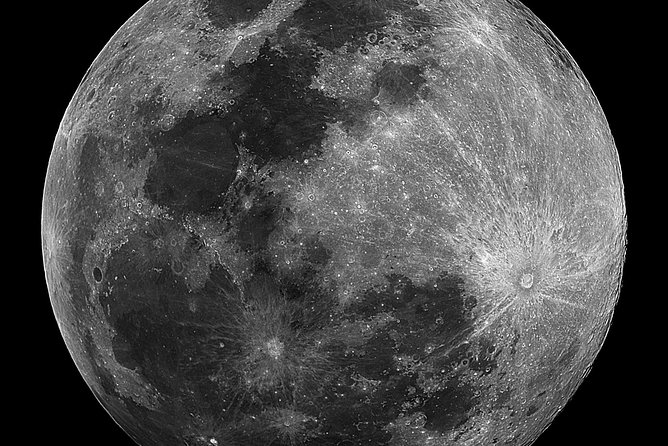
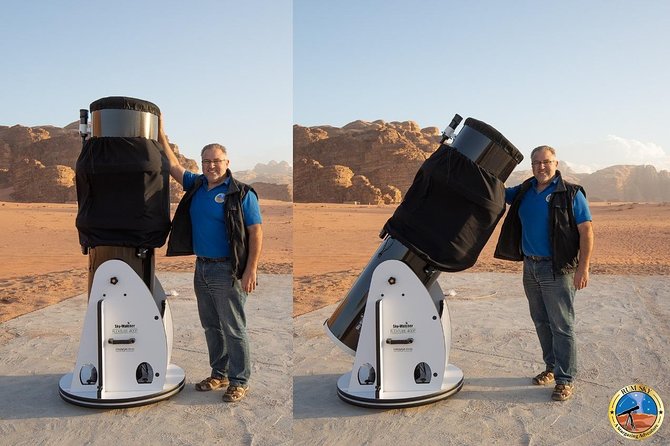
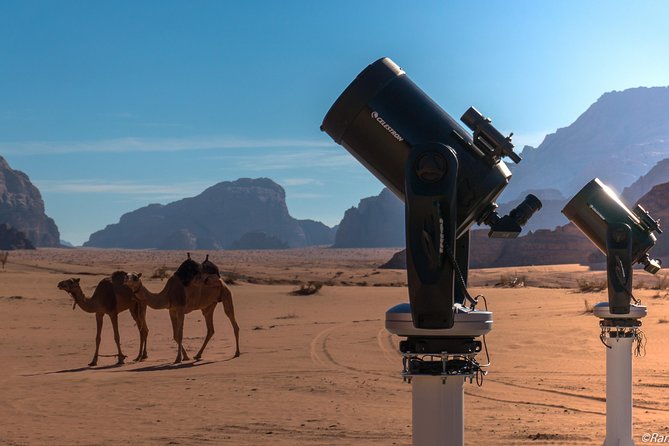
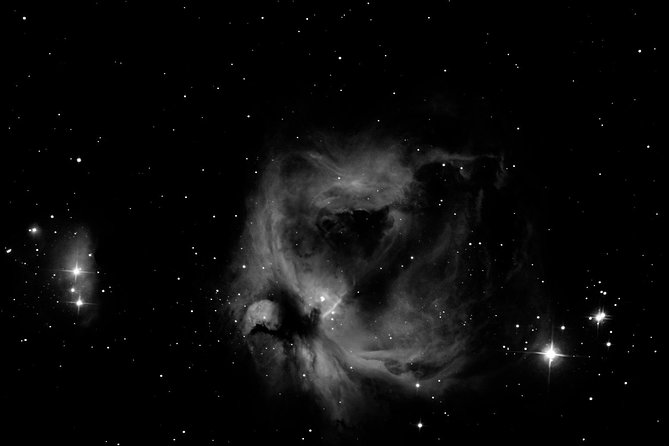
Group 2 spends their time on large telescopes that are computerized and paired with GPS systems. This is where the tour earns its ticket value for anyone who wants to see more than stars. You are not just looking at points of light, you are aiming at specific objects: galaxies, nebulae, planets, and their moons.
The session is again guided by a professional astronomer, which matters because a telescope without guidance can feel like frustration. You need help not only with finding targets, but also with understanding what you are actually seeing through the eyepiece or viewing system.
Midway through the show, Group 1 and Group 2 switch. So you still get both experiences, rather than choosing one style and missing the other. For me, that is the right setup for a mixed group. If you are more into astronomy tech, the telescope time scratches that itch. If you prefer learning the sky with your own eyes, Group 1 does the job.
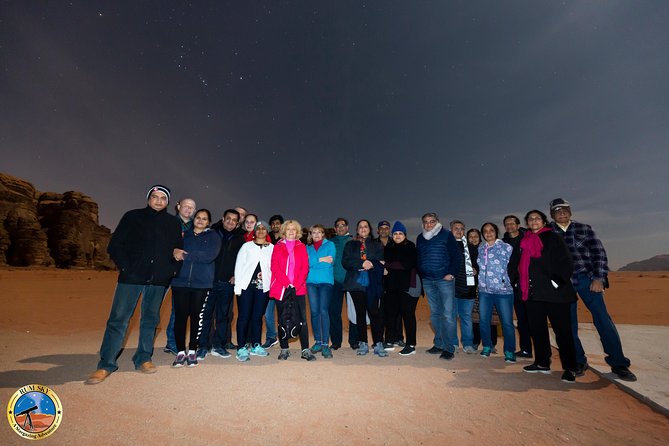
At the end, you wrap up with a group photo using a time-exposure technique designed to highlight sky objects. It is a neat way to turn the night into a tangible memory without you needing to be a photographer.
- Wadi Rum Full Day Jeep Tour + Overnight & Dinner in Bedouin Camp
★ 5.0 · 368 reviews - Aqaba: Private Red Sea Diving for Beginner or Experienced
★ 4.9 · 230 reviews - Journey of Diving or Snorkelling from a Boat
★ 5.0 · 218 reviews - Wadi Rum Cave Camping with Jeep Tour
★ 5.0 · 200 reviews - Wadi Rum: Bedouin Camp Stay,Full-Day Desert Tour with 3Meals
★ 4.9 · 198 reviews
Transfers From Wadi Rum Camps: The Best Kind of Logistics
The tour is built around convenience. You get pickup from local camps in the Disi Area around 7:45 PM in winter, and the guide notes that summer timings change. The key promise is that you are picked up after dinner, so you do not have to rush your evening meal.
Most importantly, the tour includes transportation from most Wadi Rum camps. That means you avoid desert night driving, which is especially valuable if you are not using your own car. In a place where distances feel big under a wide sky, this “show up, get moved, watch the sky” structure is a comfort factor.
The overall duration is about 1 hour 30 minutes. That short window matters because you can still enjoy Wadi Rum at night without committing to an all-night schedule. If you have other activities planned, this is a manageable add-on.
Also, there is a clear capacity limit: the experience has a maximum of 120 travelers. In a group setting like this, a larger capacity can be chaotic at the edges, but the two-group rotation helps keep people from all crowding around one telescope or laser point.
Price and Value: Is $30 Worth It for Stargazing in Jordan?
At $30 per person, this is priced like an access tour, not a fancy private astronomy workshop. The value comes from what you are actually getting for that money: pro guidance, a structured presentation, and telescope viewing aimed at real celestial targets.
In many stargazing experiences, you pay extra just to be “near dark skies.” Here, you are paying for a learning-and-seeing format. You get both types of viewing, naked-eye constellation guidance and GPS telescope sessions. That combo is why the price works.
You also avoid one of the hidden costs that can show up in remote destinations: logistics. Since transportation is provided for most camps, you are not paying for extra rides or trying to coordinate a late-night return in the dark.
What is not included is bottled water. Soft drinks and water are available at a reasonable cost, and you might still want to bring your own bottle if you like having control over water during the night.
One more value note: the tour includes a time-exposure group photo. Even if you take your own pictures, having one “done for you” shot is a nice safety net.
Photos and the Time-Exposure Finish
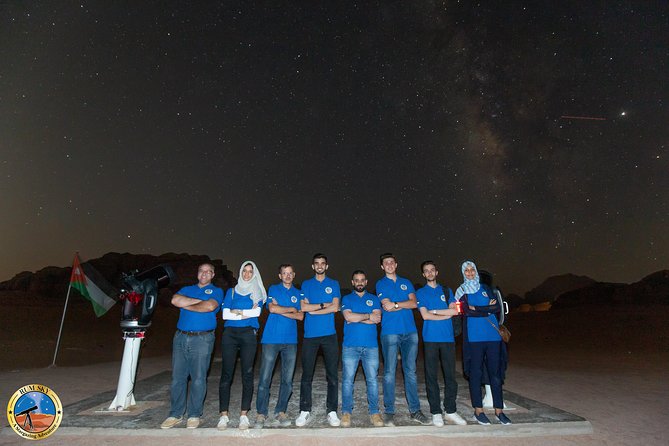
The tour ends with a group photo using a time exposure technique meant to capture sky objects. That is a practical idea. Trying to set up a tripod, choose settings, and frame targets can eat up your best sky time. The tour handles the “photo moment” part so you still get time for the viewing.
If you care about getting your own images, you may find there is additional help available from a local astrophotographer. In at least some nights, people report getting advice and support for their own photos. If photography is your goal, you will probably get the most from staying alert during the telescope session, since that is when you are most likely to capture interesting views.
Even if you do not shoot photos, the time-exposure picture is a good reminder that stargazing is not only about what you saw, but also about what you can bring home.
Who This Tour Fits Best, and Who Might Skip It
This tour is a strong fit if you:
- Want star learning without needing to know anything ahead of time
- Like a guided group format with professional astronomer explanations
- Want both naked-eye constellation orientation and telescope views in one package
- Prefer not to do desert night driving
Most travelers can participate, and service animals are allowed. The show is designed for broad audiences, and the two session rotation helps keep people included.
Where you might hesitate is if you are expecting a remote, ultra-quiet, private observatory experience. Even though Wadi Rum’s skies are ideal, this is a group tour with a max capacity of 120. If you need lots of personal space to move, set up camera gear, or linger on one target longer, you may wish you had a smaller format.
Also, if you are very sensitive to sky conditions, remember the tour requires good weather. That matters because telescopes can only do so much when clouds or haze spoil contrast.
Weather, Desert Timing, and What to Watch for
This experience depends on the weather. It requires good weather, and if it is canceled due to poor weather you are offered a different date or a full refund. That is one of the more reassuring parts of the setup. Stargazing is always at the mercy of the sky, so you want a plan that adapts.
Timing is also important. The service runs in a broad window, with opening hours listed as 5:00 PM to 11:30 PM, and the pickup is specifically around 7:45 PM in winter. Summer times change, so check directly for your season.
Bring what makes the night comfortable for you. You will be outside for the sky sessions, and you will be waiting between the switchovers. Water is not included as bottled water, but water and soft drinks are available at a reasonable cost, so it is easy to top up if you need to.
Finally, plan mentally for a short but structured night. This is not a slow, open-ended sky vigil. It is a tight show that moves you from learning to looking to a photo moment, all within about 1 hour 30 minutes.
Should You Book RumSky Adventure Stargazing in Wadi Rum?
I would book it if you want a guided, beginner-friendly way to understand the sky and also get telescope views pointed at real targets. For $30, you are not just paying for a dark sky, you are paying for instruction, organization, and GPS telescope access.
You might skip or consider alternatives if you want a private, quiet setup or you tend to be disappointed by group formats. Also, keep an eye on weather expectations, because clear skies are the key to getting the most from both the laser constellation walk and the telescopes.
If you are visiting Wadi Rum and you care about seeing the stars in a way that actually clicks, this is the kind of tour that turns a night in the desert into a story you can explain the next day.
FAQ
Where is the stargazing adventure located?
The tour is based in Aqaba, Jordan, with stargazing happening in the Wadi Rum area.
How much does the tour cost?
The price is $30.00 per person.
How long is the experience?
It lasts about 1 hour 30 minutes.
What time does pickup usually happen?
In winter, pickup from camps in the Disi Area is around 7:45 PM. Summer timings change, so you should confirm the schedule for your travel dates.
Is transportation included?
Yes. Round-trip transfers are provided for most Wadi Rum camps, and pickup is offered.
What happens during the night sessions?
You start with a 20-minute seated astronomy presentation, then you split into two groups. One group focuses on naked-eye constellation guidance aided with a green laser, and the other group uses GPS-enabled telescopes. The groups switch mid-show.
What can you see with the telescopes?
The telescopes are used to look at targets such as galaxies, nebulae, planets, and moons.
What is included in the price?
Included items are the astronomy presentation, naked-eye stargazing with laser guidance, seeing through large telescopes, a group photo using time-exposure technique, and transportation for most camps.
What is not included?
Bottled water is not included. Water and soft drinks are available to buy at a reasonable cost.
Is there a weather backup if it is cloudy?
The experience requires good weather. If it is canceled due to poor weather, you are offered a different date or a full refund.
Elsewhere on Jordan Insider
Last Light and Star Fields
Fresh off the review desk
- Wadi Rum Classic 4-Hour Jeep Safari★ 5.0 · 3 reviews
- WADI RUM: ALL DAY JEEP TOUR with overnight and full meals★ 5.0 · 3 reviews
- Wadi Rum 4-Hour Sunset Tour – Wadi Rum Desert Highlights★ 5.0 · 3 reviews
- 1 Day & 1 Night | Stay & Jeep + Camel Tour in Wadi Rum | Magic Bedouin Star★ 4.5 · 3 reviews
- Transfer from Aqaba Airport to Petra★ 5.0 · 3 reviews
- Petra Day Tour from Aqaba Port (Shore Excursion Petra) – JHT★ 5.0 · 3 reviews
Desert Sunsets and Stargazing, compared.
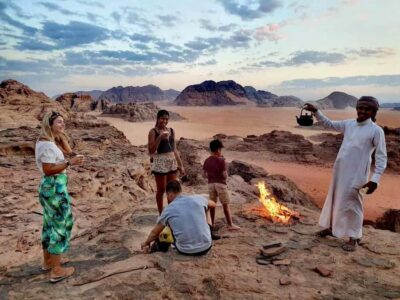 ★ 5.0Wadi Rum: Morning or Sunset Jeep TourFrom $46285 reviews
 ★ 5.0Full-Day Jeep Tour and Sleeping in cave Night Under the StarsFrom $50145 reviews
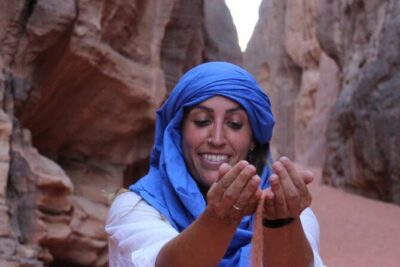 ★ 4.54 Hour Jeep Tour (morning or sunset) – Wadi Rum Desert HighlightsFrom $4689 reviews
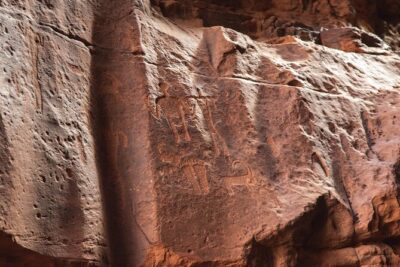 ★ 5.0Wadi Rum Desert Tour with Lunch & SunsetFrom $9189 reviews
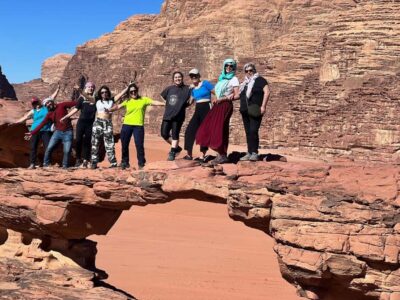 ★ 4.9Wadi Rum (2) hour jeep morning tour or sunset tourFrom $3371 reviews
 ★ 4.7Wadi Rum Highlights: 4-Hour Jeep Tour – Morning or Sunset.From $4562 reviews
 ★ 5.0Best of Wadi Rum | Full day Jeep tour + Sleep under the stars | Pack all-inFrom $11561 reviews
 ★ 5.0Wadi Rum Full Day Jeep Tour – Stargazing Overnight in a Cave – Traditional FoodFrom $12338 reviews
Browse the lists this tour appears in