
REVIEW · DESERT CASTLES AND THE EASTERN DESERT
From Amman: Desert Castles of Eastern Jordan Tour
Desert castles feel like another planet. This half-day tour from Amman strings together three Umayyad sites in eastern Jordan, with Quseir Amra doing the heavy lifting for wow-factor. I especially like the simple, direct format: ride out, walk around in the desert air, then back to Amman without the hassle.
The second thing I love is the way the driving becomes part of the experience. You travel with an English-speaking driver-guide, and the stories you hear connect the castles to early Muslim rule, Umayyad power, and desert life. If you get someone like Hassan or Amer Ramouni, you may also get a smoother day through crisp explanations and even small thoughtful touches like a Jordanian coffee.
One drawback to plan for is the sun and walking. You will be outdoors for courtyards and fortress areas, and meals and drinks are not included unless you add a lunch option, so bring what you need and keep expectations realistic.
In This Review
- Key points at a glance
- Desert Castles of Eastern Jordan, What You’re Really Seeing
- Getting Out of Amman: Private, Air-Conditioned, and Actually Easy
- The Umayyad Desert Route: Why These Sites Feel Close Together
- Quseir Amra UNESCO: Frescoes, Power, and a Desert Palace With Attitude
- Qasr Al-Kharanah: A Two-Level Fortress in a Huge Plain
- Qasr Al-Azraq and Lawrence of Arabia’s 1917 to 1918 Headquarters
- Optional Azraq Wetland Reserve: Birds, Marsh Trail, and Water Buffalo Nearby
- How Long This Really Takes, and How to Not Feel Rushed
- Price and Value Around $93: What You Pay For, What You Still Need to Budget
- What to Bring, and What Will Make the Day Feel Better
- Who This Tour Suits Best, and Who Might Want Something Different
- Should You Book This Desert Castles Tour from Amman?
- FAQ
- FAQ
- How long is the Desert Castles of Eastern Jordan tour from Amman?
- Is this tour private or shared?
- What is included in the price for the standard tour?
- Are meals and drinks included?
- Do I need to pay entrance fees separately?
- Is there an optional upgrade to include the Azraq Wetland Reserve?
- What can I expect to see at Quseir Amra?
- What can I expect to see at Qasr Al-Kharanah?
- What is the connection between Qasr Al-Azraq and Lawrence of Arabia?
- What should I bring for the tour?
- Can I cancel for a full refund?
Key points at a glance
- Three desert castles, one efficient route: Quseir Amra, Qasr Al-Kharanah, and Qasr Al-Azraq.
- Private transport from central Amman: air-conditioned vehicle, hotel pickup and drop-off.
- UNESCO Quseir Amra fresco stop: 8th-century paintings tied to Umayyad life.
- Lawrence of Arabia connection at Azraq: the desert base for operations in 1917 to 1918.
- Optional Azraq Wetland Reserve: self-guided marsh trail, migratory birds, and water buffalo nearby.
- Good value if you want history plus comfort: entrance fees for the three castles are included.
Further east, more desert castle loops
Desert Castles of Eastern Jordan, What You’re Really Seeing
This tour is built around three desert castles that were never meant to feel like museum pieces. The Umayyad rulers used them as rural retreats and hunting lodges, which is a big clue for how to experience them: don’t just look for walls. Look for how power worked out here, far from city crowds.
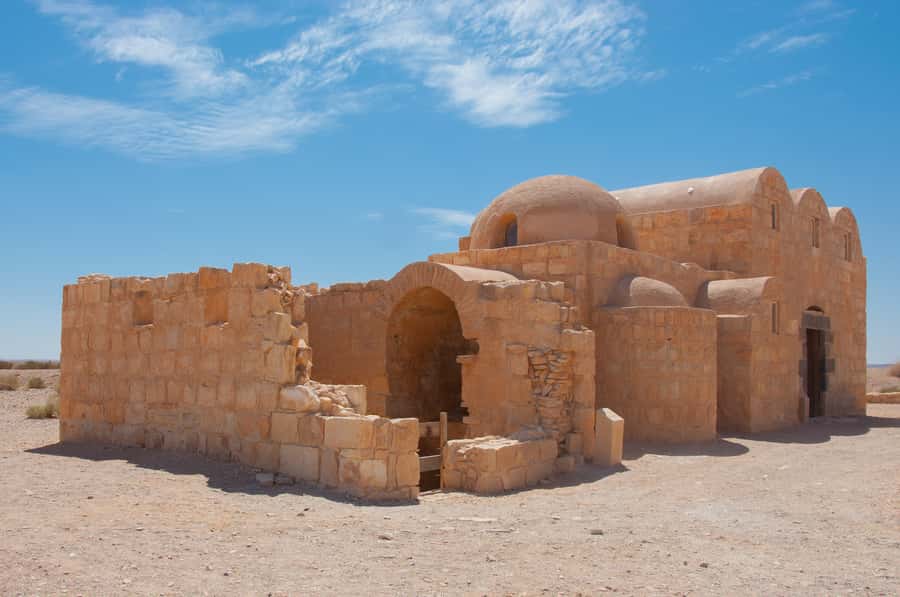
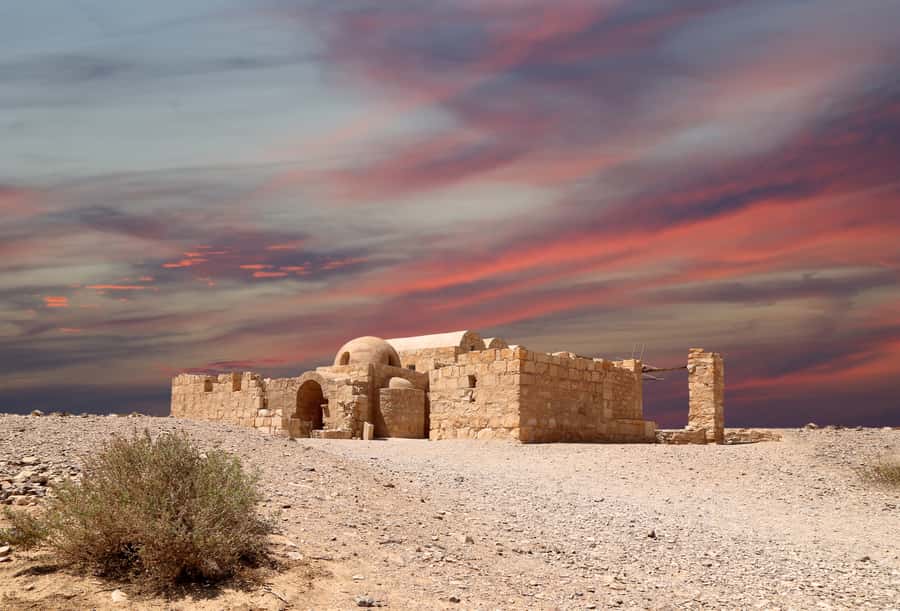
Quseir Amra is the first stop, and it quickly sets the tone. It is an early hunting palace, and it is famous for its 8th-century frescoes, including scenes involving wine, parties, and nude women. That combination of art and imperial leisure can surprise people, even if you know you are visiting an old-world palace. I like that the day doesn’t sanitize the past. It shows how rulers lived, not just what they claimed.
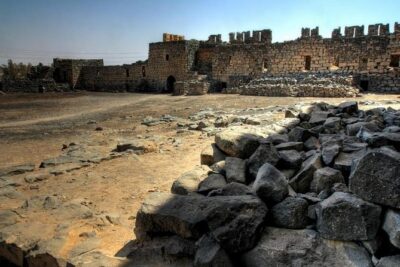
Then you shift to two more very different structures. Qasr Al-Kharanah is more fortress-like, with a two-level feel and an architectural mix people associate with Roman foundations and influences across Mesopotamia, Arabic design, and Greek elements. Qasr Al-Azraq, meanwhile, gives you the modern layer: this is also the setting that T.E. Lawrence used as a headquarters in 1917 to 1918. The day becomes a timeline you can walk through, with desert stone tying the eras together.
Getting Out of Amman: Private, Air-Conditioned, and Actually Easy
Logistics can make or break a half-day trip, and this one starts with the simplest possible plan. You get hotel pickup and drop-off in Amman, then you ride out with a private vehicle that is described as air-conditioned and “new.”
Because it is private, you are not trapped with a fixed crowd pace. The driver is also your information source in English, and you can tell them if there is a castle you want to linger at more, or if you want to switch the focus to another castle at your own expense. That flexibility matters if you are a slow photographer, or if you want extra time on one site because you care about fresco art, architecture, or Lawrence history.
There is also on-board Wi-Fi, which sounds small, but it can help if you like to look up context on your phone while waiting during short drives. Just remember you are going into a desert zone, so download anything you want to use offline ahead of time.
One practical note: you are going to be outside. Even if the car is cool, your best photos will happen in bright sun, so build your timing around your comfort, not just the itinerary.
The Umayyad Desert Route: Why These Sites Feel Close Together
The desert castles of eastern Jordan are scattered, but they are also positioned in a way that lets a half-day tour work. The route you take is based on the fact that these 7th and 8th-century castles can be within about a 15-minute drive of each other in places.
That closeness is why I think this tour fits so many schedules. You are not spending hours in transit between completely unrelated locations. You are comparing three castles with distinct personalities: palace art, fortress design, and a desert headquarters tied to the Arab Revolt.
It also makes the driver’s storytelling more useful. Short drives give your brain time to make connections. You go from the Umayyads as rulers with luxury and leisure, to Umayyad-era architecture that pulls from multiple cultural influences, and then to the 20th-century layer when Lawrence of Arabia used the same kind of strategic desert spaces.
If you like context as you go, this format is easier than a “see one site, then rush back” tour.
Quseir Amra UNESCO: Frescoes, Power, and a Desert Palace With Attitude
Quseir Amra is a UNESCO-listed site and, in practice, it is the moment people remember after the trip. It is restored, and it functioned as a hunting palace of the Umayyads.
The headline attraction is the 8th-century frescoes. The tour description specifically calls out scenes of decadent life: nude women, wine, and parties. Even if you normally avoid sensational details, it helps to know what you are walking into. This palace art is showing off how elite society imagined pleasure and status.
How to experience it on the ground:
- Take a slow walk first. Look for layout and how the space feels before you focus on figures.
- Then switch to detail viewing. Frescoes make more sense when you read them as “storytelling for power,” not just decoration.
Potential drawback: because frescoes rely on viewing conditions, bright light and crowds can affect how comfortable it is to study details. This tour is private, but you still might be in a strong sun day. Bring a hat, and plan to shade your phone or camera to avoid glare.
I also like that Quseir Amra is an early stop, so you start with the most visually intense site before the day becomes more about architecture and associations.
- 2-Day Petra, Wadi Rum and Dead Sea Tour from Amman
★ 5.0 · 467 reviews - 3-Day Private Tour from Amman: Petra, Wadi Rum, Dana, Aqaba, and Dead Sea
★ 5.0 · 425 reviews - Petra Full-Day Private Tour from Amman
★ 4.9 · 392 reviews - Amman Petra Full-Day Trip
★ 5.0 · 270 reviews - From Amman : Full day tour to Petra
★ 5.0 · 250 reviews
Qasr Al-Kharanah: A Two-Level Fortress in a Huge Plain
Next comes Qasr Al-Kharanah, described as an imperious two-level fortress standing in a large plain. This one has a different mood. Quseir Amra gives you leisure and art. Kharanah gives you scale and defense, even if it is not presented as a battle site in the tour info.
The description notes it may have been built on Roman foundations. That matters because it explains why the architecture feels like it belongs to more than one chapter of the region’s past. The tour also credits a blend of Mesopotamian, Arabic, and Greek architectural influences.
How I’d approach it:
- Step back and take in the shape of the fortress in the open plain. Desert architecture reads differently when you understand the horizon.
- Then walk in the areas you are allowed to access, and look for the mix of styles through how the structure is arranged.
This stop is also a good reset between a palace and a historically linked modern site. You get a breather from the fresco story, and you shift into “form and function,” which is a satisfying way to keep your brain engaged.
Qasr Al-Azraq and Lawrence of Arabia’s 1917 to 1918 Headquarters
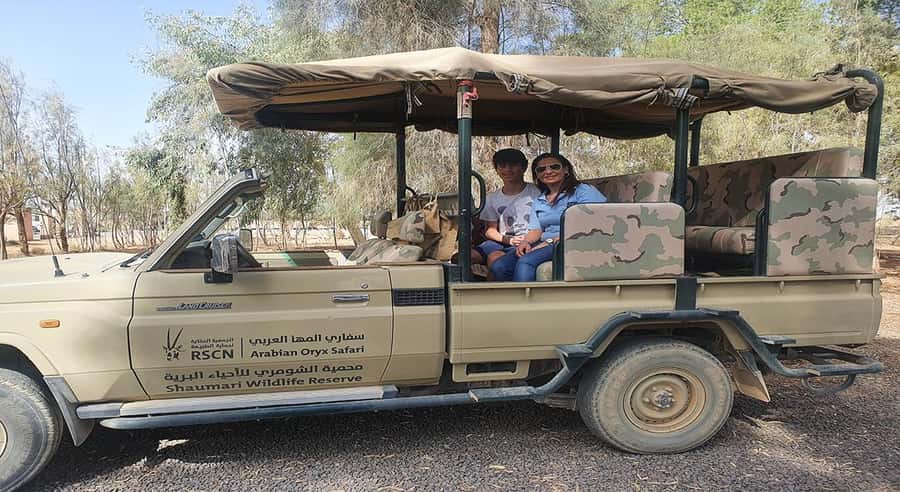
If you like history that connects to real places, Qasr Al-Azraq is where the day turns cinematic. The site began as an Umayyad hunting retreat, and later it served as a headquarters for T.E. Lawrence during 1917 to 1918.
You will spend time wandering courtyards, towers, and a mosque. That combination is important because it shows how one desert complex can hold multiple meanings: imperial retreat, then strategic operations base, then a place you visit long after the original events.
I like this stop because it is not just “Lawrence fact time.” The tour gives you a physical site to match the story to, and walking the courtyards helps you understand why desert outposts mattered.
Practical tip: wear comfortable shoes and take your time. Desert stone floors can look simple until you are out there moving from courtyard to tower areas. Your legs will feel it.
Also keep in mind that the mosque area is part of the complex you will likely see from a respectful viewpoint. This tour is about history, so a calm pace and quiet focus fits well here.
Optional Azraq Wetland Reserve: Birds, Marsh Trail, and Water Buffalo Nearby
There is an optional upgrade that changes the day from fully desert-focused to a “desert and water” contrast. The Azraq Wetland Reserve is described as established in 1978.
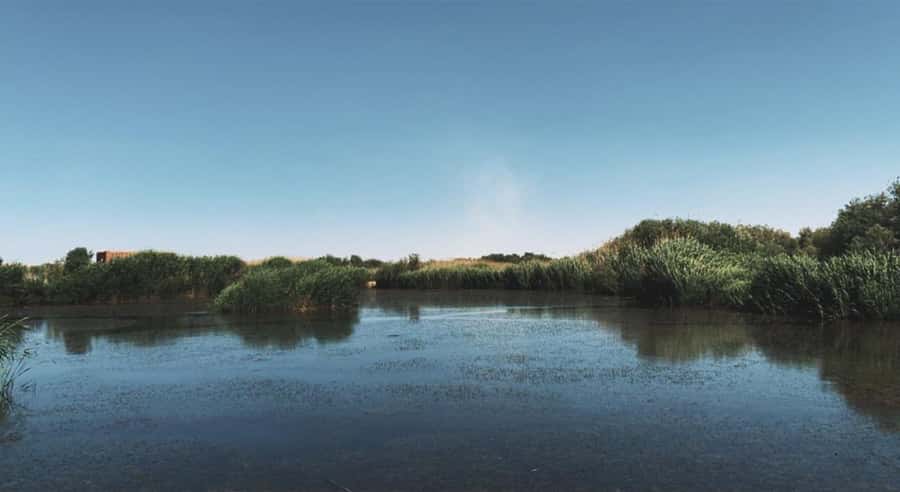
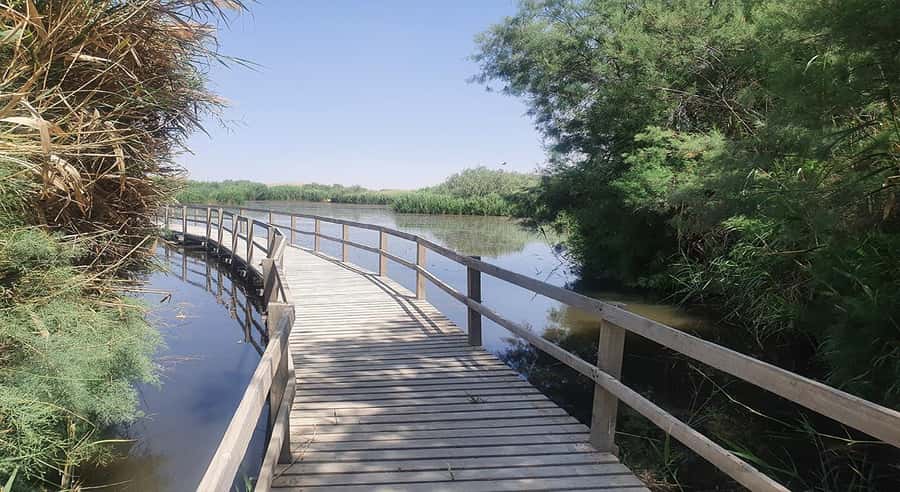
If you add this, the tour includes entrance fees and a self-guided Marsh Trail. The trail runs about 12 kilometers, and the reserve is presented as a water nature reserve and oasis for migratory birds. The description also mentions water buffalo, so you may see them nearby as you walk.
Timing note: the best time to enjoy the scenery is listed as late autumn or spring. That matters because a wetland can feel very different depending on season. If you are visiting in a hotter part of the year, plan your walking pace and sun protection carefully.
I think this optional add-on is best if:
- You want a break from castle stone.
- You like bird life and the sense of nature returning after dry travel.
- You do not mind a self-guided segment, since the trail is designed for you to explore on your own.
How Long This Really Takes, and How to Not Feel Rushed
The duration is listed as 4 to 6 hours, with the route described as a 5-hour trip. In a day like this, the difference is usually about how long you linger at each stop and how quickly you move through viewing areas.
Because you have only a half-day window, the pacing is the real decision you make. If you want the best balance:
- Plan to spend your most careful time at Quseir Amra fresco areas.
- Use your time at Kharanah for architectural observation and photos from multiple angles.
- Treat Azraq as your Lawrence stop, where slow walking often pays off.
If you are the type who likes to keep moving, you will be fine. If you need extra time to read details and take photos, you will probably want the private format for exactly that reason.
Price and Value Around $93: What You Pay For, What You Still Need to Budget
At $93 per person, this tour is priced like a comfort-first half-day: private transfers, entrance fees, and an English-speaking driver-guide role are built into the experience. The included list also covers entrance to Amra Castle, Al Kharanah Castle, and Azraq Castle, plus optional wetland reserve fees if you choose the upgrade.
That matters for value because entrance fees and transport are the two things that often make low-cost tours feel more expensive once you add up extras. Here, those core costs are already packaged.
What is not included is the practical stuff that can surprise you:
- Meals and beverages are not included unless you choose a lunch option.
- Personal expenses are not included.
Based on experiences shared by guides like Hassan and Amer Ramouni, you can also expect help finding a good lunch stop that fits the day. In other words, you are not left totally on your own for food planning, even if the meal is not part of the package.
If you are thinking about the “tour with guide” upgrade, that option adds an additional guide at the desert castles. It is worth considering if you want more narrative depth and fewer moments where you are just looking without context.
What to Bring, and What Will Make the Day Feel Better
This is a desert outing, so pack for the outdoors, not for comfort in a hotel.
Bring:
- Comfortable shoes
- Sun hat
- Sunscreen
Also, keep a bottle of water in your day bag if you can. The tour does not list beverages as included, and you will be outdoors long enough to feel it.
If you wear light clothing, still plan for sun protection. Bright conditions can make fresco viewing harder, but hats and sunscreen can fix most of that.
Who This Tour Suits Best, and Who Might Want Something Different
This tour is ideal if you want:
- A private day trip with low stress and air-conditioned transport.
- Three desert castles in one go, without planning a route yourself.
- A mix of Umayyad palace life, fortress architecture, and a Lawrence of Arabia connection.
It may not be the best fit if:
- You want a long, multi-day desert expedition. This is a half-day format.
- You dislike any outdoor walking in strong sun.
- You need meals and drinks fully provided, since only lunch is offered if you select that option.
One more note: if you have mobility issues, the information says you should contact the provider. That is the right step because sites can include uneven ground and stairs in fortress areas.
Should You Book This Desert Castles Tour from Amman?
Yes, if your goal is a high-value, low-effort introduction to eastern Jordan’s desert castles. The big strength is the combination: Quseir Amra for UNESCO fresco power, Kharanah for architecture and scale, and Azraq for the Lawrence of Arabia story you can walk around.
I’d book it if you can handle sun and short walks, and if you are okay planning meals separately. I’d also lean toward the “tour with guide” option if you really want your time at each site to come with tighter historical interpretation.
Skip the day or consider adjusting expectations if you are looking for a full-day hike through remote wilderness. This is more like a focused cultural route with strategic stops, and that is a good thing.
FAQ
FAQ
How long is the Desert Castles of Eastern Jordan tour from Amman?
The duration is listed as 4 to 6 hours, and the route is described as a 5-hour trip.
Is this tour private or shared?
It is a private group experience.
What is included in the price for the standard tour?
Included are hotel pick up and drop off, private air-conditioned transfers, an English-speaking driver, entrance to Amra Castle, Al-Kharanah Castle, and Al-Azraq Castle, plus on-board Wi-Fi. An additional guide at the desert castles is included if you select the guide option.
Are meals and drinks included?
Meals and beverages are not included unless you choose an option with lunch.
Do I need to pay entrance fees separately?
Entrance fees for the three castles are included in the standard tour. The wetland reserve entrance fees are included only if you select the optional upgrade.
Is there an optional upgrade to include the Azraq Wetland Reserve?
Yes. The optional upgrade includes entrance fees for the Azraq Wetland Reserve and a self-guided Marsh Trail.
What can I expect to see at Quseir Amra?
Quseir Amra is a UNESCO-listed hunting palace. You will see restored areas and 8th-century frescoes that include scenes connected to wine, parties, and nude figures.
What can I expect to see at Qasr Al-Kharanah?
You will visit Qasr Al-Kharanah, a two-level fortress in a large plain, described as potentially built on Roman foundations with Mesopotamian, Arabic, and Greek architectural influences.
What is the connection between Qasr Al-Azraq and Lawrence of Arabia?
The tour describes Qasr Al-Azraq as an Umayyad hunting retreat and a headquarters used by T.E. Lawrence. You will explore areas associated with his operations during 1917 to 1918.
What should I bring for the tour?
Bring comfortable shoes, a sun hat, and sunscreen.
Can I cancel for a full refund?
The activity offers free cancellation up to 24 hours in advance for a full refund.
The Wider Jordan Pile
Elsewhere on Jordan Insider
Out in the Eastern Desert
- From Amman: Umayyad Desert Castles Tour with Transfer
- From Amman: Full-Day tour Amman city tour and desert castles
- Private Tour of Desert Castles Eastern Jordan with optional Azraq Wetland Visit
- Cave of the Seven Sleepers and Amman Islamic Sites Tour
- Day Tour To Desert Castles & Cave of the Seven Sleepers
Fresh off the review desk
- Queen Alia Airport Transfers From / To Amman, Petra, Dead Sea.★ 5.0 · 3 reviews
- NEOM Saudi Arabia Transfer from AMM Airport or Aqaba Airport AQJ★ 5.0 · 3 reviews
- From Amman to (Aqaba, Wadi Rum and Petra)★ 5.0 · 3 reviews
- Transfer Amman To/From Petra★ 5.0 · 3 reviews
- Private Tour: Jerash and Umm Qais Day Trip from Amman★ 4.0 · 3 reviews
- Private Half-Day Ma’in Waterfalls and Hot Springs Tour from Amman★ 5.0 · 3 reviews
Desert Castles and the Eastern Desert, compared.
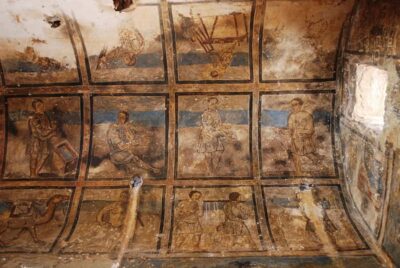 ★ 4.5Umayyad Desert Castles Tour with TransferFrom $8269 reviews
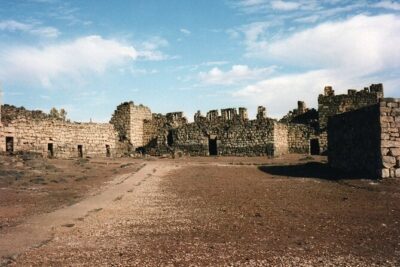 ★ 5.0Full-Day tour Amman city tour and desert castlesFrom $8923 reviews
 ★ 4.5Cave of the Seven Sleepers and Amman Islamic Sites TourFrom $7621 reviews
 ★ 4.5Private Tour of Desert Castles Eastern Jordan with optional Azraq Wetland VisitFrom $9321 reviews
 ★ 5.0Day Tour To Desert Castles & Cave of the Seven SleepersFrom $8315 reviews
 ★ 4.5Day Tour Desert Castles & Azraq Wetland ReserveFrom $6911 reviews
 ★ 4.55-Desert Castles of Jordan Full-Day Private Tour from AmmanFrom $13911 reviews
 ★ 5.0Private Tour: Full-Day Islamic Desert Castles and Ajloun Castle Trip from AmmanFrom $1269 reviews
Browse the lists this tour appears in