
REVIEW · PRIVATE
Exploring Shrines, Mosques, and Holy Landmarks Private Tour
Sacred stories, close up, in Amman. This private Islamic heritage route strings together mosques and holy landmarks tied to familiar figures, from the Cave of the Seven Sleepers to the Blessed Tree. I like how the day is paced with short, focused visits, so you can actually look around and take notes without feeling herded.
I especially appreciate the guidance. The English speaking drivers and guides I saw mentioned names like Brother Anas and Moe, and they’re credited with strong Islamic knowledge plus punctual, calm service. You’ll also get an air conditioned car and even on-board WiFi, which helps when you are traveling between sites.
One thing to plan for is cost surprises at the gates. Some stops list admission as not included, and anyone without a Jordan Pass has to pay on-site, plus there is no included lunch or snacks.
In This Review
- Key highlights from this Islamic heritage route
- Why this tour feels personal in Amman
- Price and logistics: private pickup, bottled water, and entry fees
- A 6 to 7 hour route with clear timing at each stop
- Cave of the Seven Sleepers: the story inside the rock
- Abu Darwish, King Abdullah, and Grand Husseini mosques in one loop
- Abu Darwish Mosque (Jabal Amman)
- King Abdullah Mosque
- Grand Husseini Mosque (downtown Amman)
- Tree of Al Buqayawiyya and Bilal bin Rabah Shrine: prayer spots with meaning
- Blessed Tree (Tree of Al Buqayawiyya)
- Bilal bin Rabah Shrine
- Prophet Shoaib and Prophet Joshua shrines near Madaba and Karak
- Prophet Shoaib Shrine
- Prophet Joshua’s Shrine
- What to bring so the day runs smoothly
- Should you book this tour?
- FAQ
- How long is the Exploring Shrines, Mosques, and Holy Landmarks Private Tour?
- Is pickup included?
- Is this tour private?
- What’s included in the tour price?
- Are meals included?
- Do I need a Jordan Pass for admission?
- Is bottled water provided?
- Is WiFi available during the ride?
- What is the cancellation policy?
Key highlights from this Islamic heritage route
- Cave of the Seven Sleepers: a legendary faith story presented right at the cave site, with time to read and reflect.
- Blue dome views at Abu Darwish Mosque: architecture plus a chance for panoramic Amman city views from the Jabal Amman area.
- Three major mosques in Amman: Abu Darwish, King Abdullah, and Grand Husseini, each with a different feel and design.
- Blessed Tree (Tree of Al Buqayawiyya): a centuries-old devotional stop where you can slow down and absorb the atmosphere.
- Bilal bin Rabah Shrine: a reverent visit honoring the first muezzin of Islam, focused on reflection.
- Shrines linked to prophets: Prophet Shoaib near Madaba and Prophet Joshua near Karak, tying Islamic tradition to shared stories.
Private departures, other picks
Why this tour feels personal in Amman
This is the kind of day trip that makes sense even if your main goal is faith, not sightseeing checklists. You move through places of worship, but you also get story context for what you are seeing, so the stops land in your mind instead of blurring together.
I also like the private format. Only your group goes, which matters when you want quiet questions, slower walking, or a little extra time inside a prayer space. With a schedule built around short visits, you avoid the common problem of spending an hour in transit just to see half a stop.
Finally, the tour seems designed for respect. The sites are spiritual by nature, so you’re not racing around with a loud vibe. It’s a calmer way to experience Amman beyond viewpoints and Roman columns.
Price and logistics: private pickup, bottled water, and entry fees
At $62 per person for a 6 to 7 hour private day, the value is mostly about what you do not have to manage. You get private transportation with hotel pickup, an air conditioned vehicle, and on-board WiFi, plus bottled water. For a route that reaches beyond central Amman, that transport piece is not trivial.
The other part is entry costs. The tour data clearly says that anyone without a Jordan Pass must pay on-site themselves. Also, several stops show admission as not included, while one stop notes admission may be included if you select that option. Translation: check your Jordan Pass status before you assume every site is covered.
Food is on you. Nothing like breakfast, lunch, or snacks is listed as included, so plan a simple meal strategy before you start. If you’re the type who gets hangry around hour three, pack something light or eat near the pickup time.
The net result: this price is fair if you are comfortable with on-site spending for entrances and you want a guided, private route that does not require navigation headaches.
A 6 to 7 hour route with clear timing at each stop
The day is built around timed visits plus driving time between locations. In practice, that matters because you’ll spend enough minutes at each stop to see the key elements, not just stand at the doorway.
Here is the visit rhythm you can expect:
- Cave of the Seven Sleepers: about 1 hour
- Abu Darwish Mosque: about 30 minutes
- King Abdullah Mosque: about 1 hour
- Grand Husseini Mosque: about 30 minutes
- Blessed Tree: about 1 hour
- Bilal bin Rabah Shrine: about 30 minutes
- Prophet Shoaib Shrine: about 30 minutes
- Prophet Joshua Shrine: about 30 minutes
Because those last two shrines are near Madaba and Karak, driving is part of the experience. You are not doing a single neighborhood walk. Still, the air conditioned car and included bottled water help keep the day comfortable.
If you like a day that feels structured but not exhausting, this timing style usually works well.
Cave of the Seven Sleepers: the story inside the rock
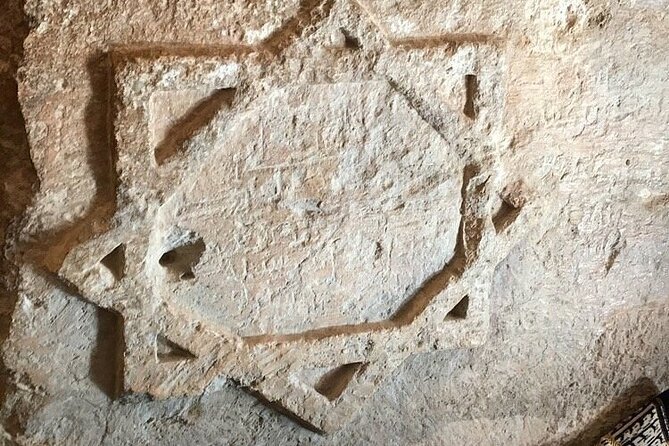
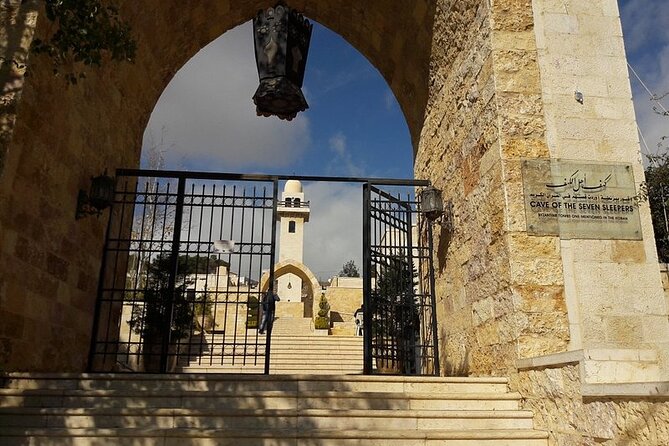
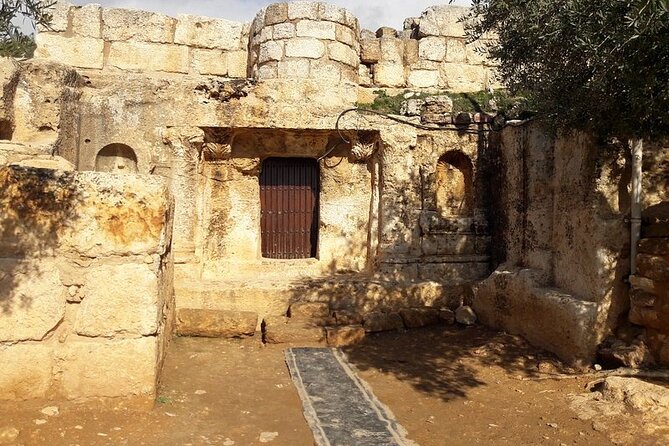
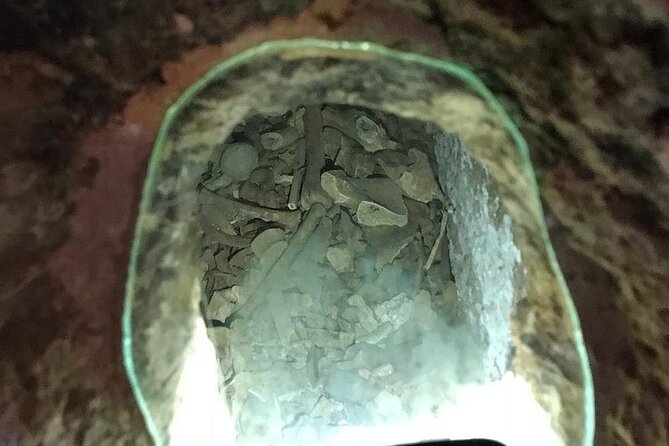
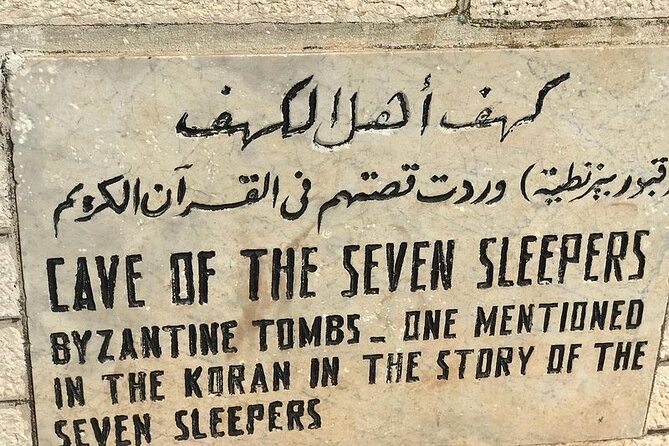
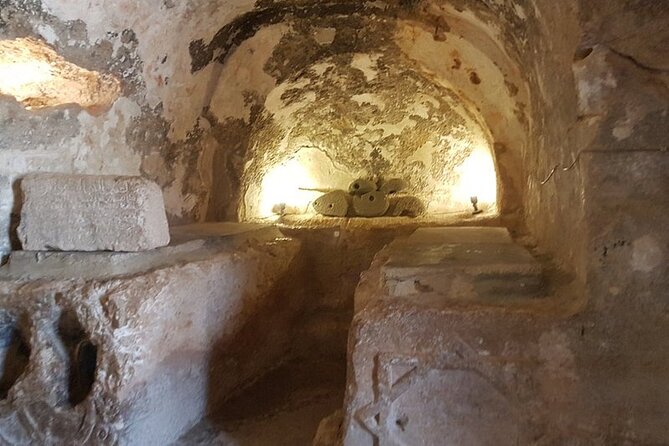
Your day starts at a site connected to the legend of the Seven Sleepers. The key theme here is refuge: a group of young men seeking shelter in a cave to escape persecution. The story you’re meant to connect with is the idea of divine protection over long time periods, reflected through historical markers and displays.
I like starting with this stop because it sets the emotional tone. Instead of going straight into architecture, you begin with narrative. That makes the later mosques and shrines feel connected rather than random.
Practical note: the stop is listed at about 1 hour. It also mentions admission is free if the relevant option is selected. If you are not using that option and you do not have a Jordan Pass, plan for possible on-site payment based on the general rule that non Jordan Pass holders pay themselves.
This is also a good moment to slow down. Read the markers, stand back and take in the setting, then move on with a clearer idea of why the tour is doing this route.
- 2-Day Petra, Wadi Rum and Dead Sea Tour from Amman
★ 5.0 · 467 reviews - 3-Day Private Tour from Amman: Petra, Wadi Rum, Dana, Aqaba, and Dead Sea
★ 5.0 · 425 reviews - Petra Full-Day Private Tour from Amman
★ 4.9 · 392 reviews - Amman Petra Full-Day Trip
★ 5.0 · 270 reviews - From Amman : Full day tour to Petra
★ 5.0 · 250 reviews
Abu Darwish, King Abdullah, and Grand Husseini mosques in one loop
This section is where Amman’s modern city texture shows up through Islamic architecture. Three different mosques, each with their own design signals, and each designed for prayer and quiet contemplation.
Abu Darwish Mosque (Jabal Amman)
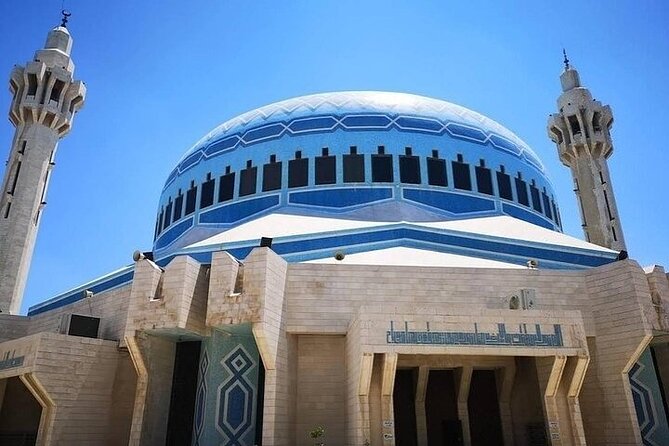
Abu Darwish Mosque is named after the Jordanian poet Ibrahim Abu Darwish. It’s described as having a distinctive blue dome and intricate geometric patterns, and it sits in the Jabal Amman area, which is a prime spot for panoramic city views.
Inside, the key experience is calm. The prayer hall is described as spacious, with ornate chandeliers, carpets, and Quranic inscriptions on the walls. You’re here for about 30 minutes.
One reason I like this stop is the contrast between outside and inside. Even a quick glance outside gives you Amman context, then you step into a cooler, quieter world.
King Abdullah Mosque
Next is the King Abdullah Mosque, also called Al-Masjid Al-Malik Abdullah I. It’s named after the late King Abdullah I, and the design is a blend of traditional Islamic elements with modern architecture.
Expect a striking dome and minaret, and then move inward to the mosque’s interior details. This stop is described as accommodating many worshippers and also functioning as a cultural and educational hub, with Quranic studies and community programs.
This one is listed at about 1 hour, and admission is noted as not included.
Grand Husseini Mosque (downtown Amman)
The Grand Husseini Mosque sits in downtown Amman. It’s known for intricate geometric patterns and ornate calligraphy, with a prayer hall that includes chandeliers and decorative elements.
This is described as a spiritual hub for the community with a large capacity, and that makes a difference in your visit feel. Instead of being a quiet, small stop, it’s the kind of mosque that often carries the energy of community prayer and events.
This stop is about 30 minutes, again with admission noted as not included.
Tree of Al Buqayawiyya and Bilal bin Rabah Shrine: prayer spots with meaning
After the mosques, the tour shifts into sites that feel more devotional and less urban. This is where the day becomes slower and more reflective.
Blessed Tree (Tree of Al Buqayawiyya)
The Blessed Tree is a centuries old tree revered for spiritual significance and believed to be linked to the Prophet Muhammad. The atmosphere here is meant to be peaceful, with time for reflection and learning about local traditions connected to the tree.
You’ll also hear about symbolic importance and the idea of the place functioning as a site of prayer and blessing. This stop is listed at about 1 hour, and admission is noted as not included.
I like this stop because it’s simple in form but heavy in meaning. A tree is not an “object” you zoom past. You’re meant to stand there and let the atmosphere do its job.
Bilal bin Rabah Shrine
Then you go to the Shrine of the Companion Bilal bin Rabah, described as honoring Bilal as the first muezzin of Islam. The story detail given is that Bilal was chosen by Prophet Muhammad to call to prayer.
The shrine visit is framed as reverence and spiritual reflection. It’s listed at about 30 minutes, with admission noted as not included.
This is the kind of stop that pairs well with a mosque visit, because it turns attention to the practice of calling people to prayer rather than only architecture and design.
Prophet Shoaib and Prophet Joshua shrines near Madaba and Karak
These two shrines connect Jordan’s Islamic devotion to figures that also appear in broader religious storytelling. You get two more peaceful sites with prayer spaces and a guided sense of the figures’ meanings.
Prophet Shoaib Shrine
The Mosque and Shrine of the Prophet Shuaib is described as revered in Jordan. It’s dedicated to the prophet Shuaib, mentioned in both Islamic and Biblical traditions, and the site is placed near the city of Madaba.
The mosque design is described as simple yet meaningful, and you can explore the mosque and pay respects at the shrine. Expect about 30 minutes here, with admission noted as not included.
I like this stop when you want the tour to feel like it is crossing faith threads, not just repeating local landmarks.
Prophet Joshua’s Shrine
Finally comes the Mosque and Shrine of Prophet Joshua bin Nun, located near Karak. The story detail given is that Joshua led the Israelites into the Promised Land.
Like the Shuaib site, this shrine is described as a peaceful place for worship and reflection, with simple architecture honoring Joshua’s legacy. You get about 30 minutes, and admission is noted as not included.
Taken together, these last two stops are a quiet wrap. You finish the day away from Amman’s main downtown energy, with time to sit with the idea of leadership and guidance in religious tradition.
What to bring so the day runs smoothly
You’re covering multiple religious sites in one day, plus driving between Amman and the areas near Madaba and Karak. A little planning makes the full schedule feel easier.
Here’s what I’d do:
- Bring your own snack or plan where you’ll eat, since food and drinks are not included.
- If you have a Jordan Pass, bring it. If not, plan for possible on-site payments because non Jordan Pass holders must pay themselves.
- Wear comfortable shoes and plan for some walking time between entrances, especially at the cave and tree areas.
- Keep your phone charged. You’ll have on-board WiFi in the car, but sites may be a mix of indoor and outdoor lighting.
Also, remember this is a private tour. That means you can ask your English speaking driver questions, especially about what you are seeing. If you want more explanation at one stop and less at another, that’s typically the kind of flexibility private tours are built for.
Should you book this tour?
Book it if you want a guided day that focuses on holy landmarks with real story context, not just photo stops. The itinerary is paced well for a 6 to 7 hour day, and the mix of caves, mosques, and shrines keeps the experience from feeling repetitive.
It’s also a good pick if you value comfortable transport. Pickup is offered, the car is air conditioned, bottled water is included, and you even get on-board WiFi. Add in the fact that it’s private, and it’s a nice fit for couples, small families, and anyone who prefers a quieter, more respectful tone.
Think twice if you know you’ll need included meals or if you don’t want to handle on-site costs. Some entrances are listed as not included, and if you do not have a Jordan Pass, you have to pay yourself.
If your goal is a spiritual, structured tour with enough time to actually understand what you’re looking at, this one is a solid choice.
FAQ
How long is the Exploring Shrines, Mosques, and Holy Landmarks Private Tour?
It runs about 6 to 7 hours.
Is pickup included?
Yes, pickup is offered.
Is this tour private?
Yes. It’s a private tour, so only your group participates.
What’s included in the tour price?
Included items are bottled water, private transportation (hotel pickup, air-conditioned vehicle, on-board WiFi, etc.), and an English speaking driver.
Are meals included?
No. Food and drinks are not included.
Do I need a Jordan Pass for admission?
The tour notes that anyone without the Jordan Pass must pay on-site themselves.
Is bottled water provided?
Yes, bottled water is included.
Is WiFi available during the ride?
Yes, there is on-board WiFi.
What is the cancellation policy?
Free cancellation is available up to 24 hours in advance for a full refund.
Yours Alone, No Coach
The Wider Jordan Pile
Elsewhere on Jordan Insider
Fresh off the review desk
- Queen Alia Airport Transfers From / To Amman, Petra, Dead Sea.★ 5.0 · 3 reviews
- NEOM Saudi Arabia Transfer from AMM Airport or Aqaba Airport AQJ★ 5.0 · 3 reviews
- From Amman to (Aqaba, Wadi Rum and Petra)★ 5.0 · 3 reviews
- Transfer Amman To/From Petra★ 5.0 · 3 reviews
- Private Tour: Jerash and Umm Qais Day Trip from Amman★ 4.0 · 3 reviews
- Private Half-Day Ma’in Waterfalls and Hot Springs Tour from Amman★ 5.0 · 3 reviews
Private, compared.
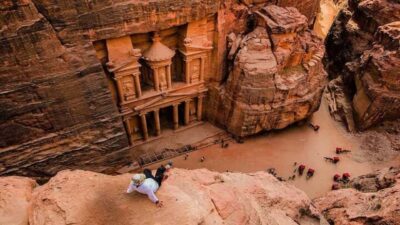 ★ 4.9Petra & Wadi Rum Private or group Day TourFrom $126750 reviews
 ★ 5.03-Day Private Tour from Amman: Petra, Wadi Rum, Dana, Aqaba, and Dead SeaFrom $349425 reviews
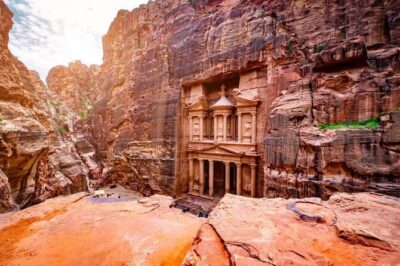 ★ 4.9Petra Full-Day Private Tour from AmmanFrom $78392 reviews
 ★ 4.7Jerash, Ajloun Castle or Umm Qais Private TourFrom $59360 reviews
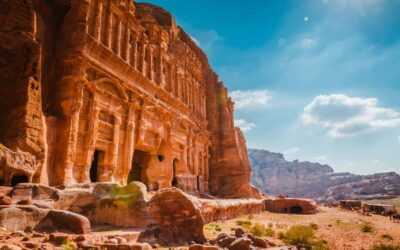 ★ 4.9Petra & Wadi Rum: Full Day Private Tour with Hotel PickupFrom $133310 reviews
 ★ 4.9Aqaba: Private Red Sea Diving for Beginner or ExperiencedFrom $50230 reviews
 ★ 4.9Dead Sea, Nebo, Madaba & Baptism Site Private or Group TourFrom $88190 reviews
 ★ 5.0Full-Day Private Trip To Petra, Wadi RumFrom $95186 reviews