
REVIEW · JORDAN
Départ Garanti Francophone (GIR) DIMANCHE – SAMEDI
Seven days, Petra and the Jordanian south. What makes this trip click is the mix: you cover the big-name classics, plus the quieter stops that explain how Jordan got its look and feel. I like the steady French-speaking guide for the sightseeing days, and I like how Petra is built into a full, paced day instead of a rushed hit-and-run.
Second, I love the day structure that strings Roman ruins, biblical sites, and crusader forts into one logical route. It also means you end with a genuine desert experience, not just photos, including a 4×4 jeep ride and an overnight in a Bedouin camp.
One consideration: you should be ready for long days on the road and walking in sun. The tour recommends moderate physical fitness, so plan for comfort shoes and a bit of stamina.
In This Review
- Key points to know before you go
- Amman arrival day: quick start in the capital
- Jerash ruins and Ajlun Castle: where Roman planning shows up fast
- Jerash
- Ajlun Castle (Qala’at ar-Rabad)
- Madaba, Mount Nebo, and Karak: three stops that connect maps to meaning
- Madaba mosaics and St. George’s Church
- Mount Nebo
- Karak Castle
- Petra day: one big treasure, plus how to keep it enjoyable
- The optional carriage note
- Little Petra (Al-Beidha) and Wadi Rum: desert time you can actually feel
- Al-Beidha (Little Petra)
- Wadi Rum Protected Area
- Dead Sea day: the strange physics of floating, plus therapeutic mud claims
- How to make your bath time easier
- Your money, what you get, and what costs extra
- Included
- Not included, the usual suspects
- Jordan Pass recommendation
- The guide, the driver, and what group size means for your week
- Who this trip suits best
- Should you book this Petra to Dead Sea week?
Key points to know before you go
- French-speaking guide throughout: you are not piecing things together with a patchwork of languages.
- Petra plus Little Petra: you get more than one “wow” moment from the same region.
- Wadi Rum jeep and camp night: a real desert outing with time to slow down.
- Jerash and Ajlun, plus Karak: variety beyond the top three attractions.
- Meals and water included on most days: less decision fatigue while you are traveling.
- Jordan Pass is recommended: it can cover visa fees and many site tickets, depending on your plan.
Still weighing it up? Here is what our readers open next.
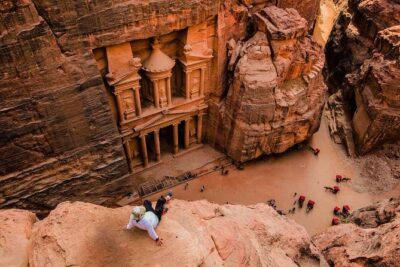
Amman arrival day: quick start in the capital
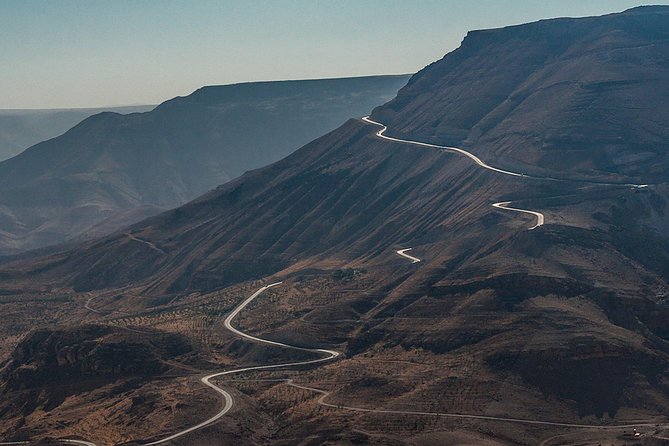
You begin with an airport welcome at Queen Alia International, then a transfer to your hotel in Amman. The goal here is simple, get you rested enough to enjoy day two, not stress you out with logistics.
After you check in, you have dinner and an overnight in Amman. If you are arriving on an international flight, this first night matters. Amman traffic can be its own adventure, so having transport arranged right away is a real time-saver.
Practical tip: Amman evenings can feel cooler than expected in some seasons. Bring a light layer for walking around after dinner, especially if you want to stretch your legs near the hotel area before sleep.
Jerash ruins and Ajlun Castle: where Roman planning shows up fast
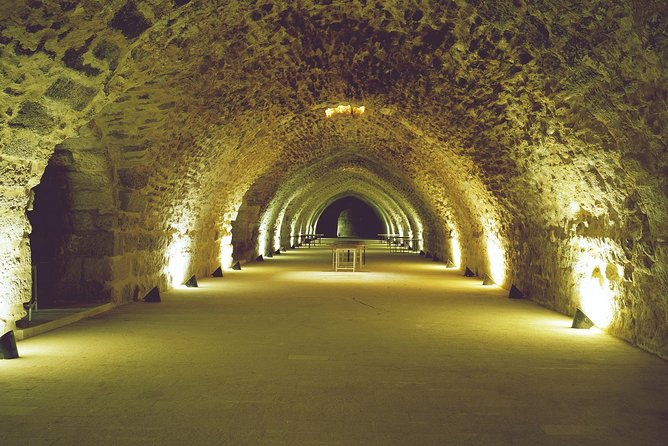
Day two is a strong one-two punch: Jerash in the morning, then Ajlun Castle after lunch.
Jerash
Jerash is often called the second most important ancient site in Jordan after Petra, and it earns that reputation. What stands out is how well preserved the city feels as a Roman provincial center. Even if you do not love Roman architecture, you can still sense the planning: long streets, monumental columns, and public spaces built to impress.
The fact that Jerash was buried for centuries before major restoration adds to the feeling. You see a full city layout, not just scattered stones. And since the city was built in rosy orange limestone, the light can change the look dramatically from morning to late afternoon.
What to watch for: you will do walking on uneven ground. Comfortable shoes matter here more than at most stops.
Ajlun Castle (Qala’at ar-Rabad)
Ajlun Castle is a different mood entirely. This is a fortress on a mountain, built in the 12th century during the period associated with Saladin. Its purpose was practical: defend the region, control local iron mining, and block Crusader movement toward Jerusalem.
The payoff is the view. From the top you get wide sightlines over the Jordan Valley, the kind of scenery that helps you understand why fortresses were placed where they were.
If you like history that is tied to real geography, this stop is a good one. It is not only about the stones, it is about why the stones were there.
- 2-Day Petra, Wadi Rum and Dead Sea Tour from Amman
★ 5.0 · 467 reviews - 3-Day Private Tour from Amman: Petra, Wadi Rum, Dana, Aqaba, and Dead Sea
★ 5.0 · 425 reviews - Petra Full-Day Private Tour from Amman
★ 4.9 · 392 reviews - Amman Petra Full-Day Trip
★ 5.0 · 270 reviews - From Amman : Full day tour to Petra
★ 5.0 · 250 reviews
Madaba, Mount Nebo, and Karak: three stops that connect maps to meaning
Day three follows the theme of “where stories meet routes.” You head out via the King’s Highway area, then hit sites tied to early Christianity and the biblical landscape.
Madaba mosaics and St. George’s Church
Madaba is the mosaic town. The famous reason to come is St. George’s Church, where a mosaic map of Palestine was discovered in 1898 during church construction. This floor map dates to the mid-6th century and shows geography in a way that helps you picture the region as it was understood in Byzantine times.
Even if mosaics are not your top hobby, this one works because it is visual and specific. You can actually orient yourself and connect place names to the larger picture.
Mount Nebo
From Madaba you continue to Mount Nebo, about 10 km northwest of the city. Mount Nebo sits at around 840 m elevation, and it is associated with the biblical story of Moses seeing the Promised Land. Whether you approach it as faith, history, or both, the site’s atmosphere is built around the idea of looking out and understanding what you are seeing.
For many people, this is the stop where the “southern Jordan road trip” starts to feel spiritual, not just sightseeing.
Karak Castle
Then comes Karak, a fortress area tied to the Crusader period, including a seigneurie linked to Baldwin I and later control changes involving figures from the Kingdom of Jerusalem. The fort occupies the context of Wadi Kerak, a valley that functioned as an important route.
Karak gives you a third style of viewpoint: you shift from mosaic artistry, to a high lookout tied to scripture, to a fortified structure tied to power and travel corridors.
If you want variety without feeling scattered, this day delivers.
Petra day: one big treasure, plus how to keep it enjoyable
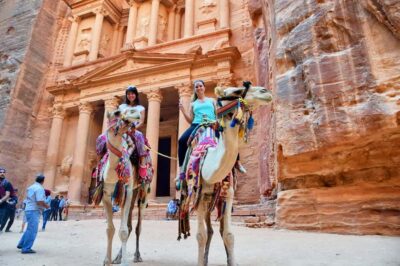
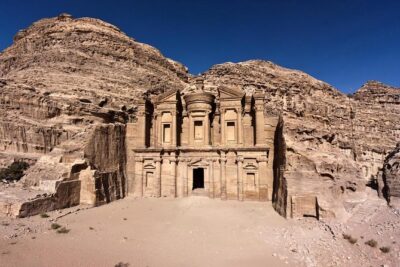
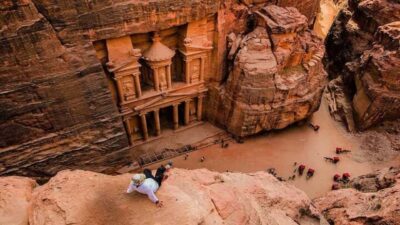
Petra is allotted a full day with enough structure to get the main experience. Your day includes a hearty hotel breakfast, then time for a local lunch, and afterward you spend about six hours exploring.
What I like about this kind of Petra framing is that it respects the reality of Petra. The site is not “one hour and done.” Even with tickets and a plan, you want time to slow down, look up, and catch the changing colors of the rock as the light shifts in the canyon.
You will likely spend time moving through the iconic sections of Petra at your own pace within the group rhythm. The guide can also help you focus on what matters: how the city is shaped by the rock, where structures are positioned, and why the route through the site feels intentional.
The optional carriage note
At Petra, the tour does not include the horse or carriage promenade option. If you are tempted, think of it as convenience, not a requirement. If you prefer walking for the full experience, you can skip it.
Practical tip: in Petra you will want water access and sun protection. Even if the tour provides water in the bus during visits, you should still plan for your own comfort in long outdoor stretches.
Little Petra (Al-Beidha) and Wadi Rum: desert time you can actually feel
Day five is where the trip stops being only “sites” and turns into “atmosphere.” You start with Little Petra, then head into Wadi Rum for a jeep outing and a camp stay.
Al-Beidha (Little Petra)
Little Petra gives you a preview of Petra’s style without the same crowds pressure. You have about one hour here, which is enough to see the carved rock setting and the general character of the area, without feeling rushed to the point of missing the point.
If you love architecture carved into rock, you will appreciate how the scale differs from the main site while still feeling connected.
Wadi Rum Protected Area
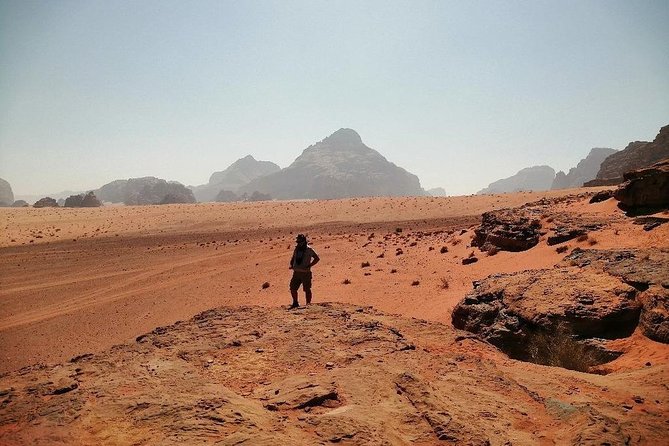
Then you go to Wadi Rum, known for towering cliffs, narrow valleys, and that “big silence” feeling. Wadi Rum is connected to the Great Arab Revolt in the region’s modern story, and it also became internationally famous through Lawrence of Arabia.
The centerpiece experience is a local pick-up 4×4 jeep tour for about one and a half hours. This is a very practical inclusion. Wadi Rum is huge, and driving through it the “right way” makes the difference between seeing scenery from a distance and understanding the terrain.
After the jeep tour, you get lunch in a Bedouin camp. Then you stay for dinner and the overnight under Bedouin tents.
What you get here is not just a night in a camp, you also get a reset. After days of ruins and fortresses, Wadi Rum slows the pace. You can look at the stars later, and the day feels more complete because you are not only touring, you are living the setting for a few hours.
Practical note: tent evenings can get cool depending on season. Bring something warm for later, even if the day felt warm.
Dead Sea day: the strange physics of floating, plus therapeutic mud claims
On day six, you head to the Dead Sea region via the Wadi Araba route. Your time includes a lunch and then free time to bathe.
The Dead Sea is described as the lowest point on earth, about 1306 feet below sea level. That alone explains the float factor, and it also helps you understand why the water feels different from normal swimming pools.
The tour highlights the idea that the climate and elements, including sun, water, mud, and air, have been associated for about two thousand years with relief for chronic skin conditions. While you should treat any medical claim cautiously, the overall experience is still worth it: warm water, unusual buoyancy, and a setting that looks almost unreal because mountains rise on one side and rolling hills on the other.
How to make your bath time easier
Plan your swim time like a calm ritual, not a frantic endurance challenge. Keep in mind that salt water can sting if you have cuts, and it is best to avoid rubbing your eyes.
Bring basics such as a towel and simple flip-flops if you have them, since you will likely want protection around shoreline areas.
Your money, what you get, and what costs extra
The price is $1,335 per person for about 7 days. That is the right range for a guided, multi-site southern Jordan route when you factor in transport, major entrance fees, and meals. The value gets stronger when you realize you are not only visiting Petra and Wadi Rum, you also cover Jerash, Ajlun, Madaba mosaics, Mount Nebo, and Karak.
Included
Based on what the package states, you can expect:
- Airport arrival and departure support
- Air-conditioned modern transportation
- A French-speaking permanent guide during the sightseeing days
- Entrance fees mentioned in the itinerary
- Wadi Rum jeep excursion (about 1.5 hours)
- A bottle of water offered in the bus during visits
- Meals: 6 breakfasts, 5 lunches, 5 dinners (as listed)
Not included, the usual suspects
You should budget separately for:
- Drinks not listed in the program
- The extra carriage promenade at Petra
- Flights
- Usual tips for guides, drivers, restaurants, and hotels
- Travel insurance
- The New Year’s evening (if it falls on your date)
Jordan Pass recommendation
The tour recommends purchasing Jordan Pass before you arrive. That pass is said to include visa entry fees and 41 sites in Jordan. If your travel style is “pay less on the ground,” Jordan Pass is worth seriously considering. The math depends on how many of those sites you personally plan to visit, but it can reduce surprises.
The guide, the driver, and what group size means for your week
This is a group tour with a maximum of 150 travelers. That number can sound big, but in practice your day is mostly about how your guide runs timing and how your vehicle group moves between stops.
A key strength is that it is francophone. Your guide can explain the story behind the stones, and your questions are less likely to get stuck in translation.
The information also lines up with strong firsthand impressions of staff quality. People have praised drivers and guides by name, including Audi and Jacob for driving and professionalism, and guides Haithem and Ahed for historical explanations and a friendly approach. Even if you do not have the same individuals, you can reasonably expect a high standard from the operator side, since multiple people highlighted the same kind of competent, warm support.
Transport is described as modern and air-conditioned, which matters on long drives between Amman and the south. Heat and fatigue can turn sightseeing sour fast, so comfort on the road helps you enjoy the stops when you arrive.
Who this trip suits best
This tour fits well if you want:
- A structured week across Petra, Wadi Rum, and the Dead Sea
- A French-speaking guide and guided context at major sites
- A mix of top attractions and “supporting acts” like Jerash, Madaba mosaics, and Karak
- A real overnight desert experience, not just a day trip
It might be less ideal if you:
- Want total freedom to stop whenever you like every hour
- Dislike walking in sun or have low tolerance for long driving days
- Prefer independent planning without any shared group schedule
Should you book this Petra to Dead Sea week?
I’d book it if your priority is seeing a lot of Jordan in one go with minimal friction. The route makes sense, the inclusions are meaningful, and the Wadi Rum camp night gives the week a memorable ending that feels more than a photo stop. You get strong coverage, plus a guide who speaks French well enough to make the history stick.
If you are sensitive to walking, plan for comfort and pacing. Wear shoes you can trust, bring sun protection, and assume each day will be full. Also, set your expectations that drinks, tips, and some Petra extras are on you.
If you want a well-organized, French-friendly route that connects Petra with the rest of southern Jordan, this is a solid choice.
Elsewhere on Jordan Insider
Fresh off the review desk
- Queen Alia Airport Transfers From / To Amman, Petra, Dead Sea.★ 5.0 · 3 reviews
- NEOM Saudi Arabia Transfer from AMM Airport or Aqaba Airport AQJ★ 5.0 · 3 reviews
- From Amman to (Aqaba, Wadi Rum and Petra)★ 5.0 · 3 reviews
- Transfer Amman To/From Petra★ 5.0 · 3 reviews
- Private Tour: Jerash and Umm Qais Day Trip from Amman★ 4.0 · 3 reviews
- Private Half-Day Ma’in Waterfalls and Hot Springs Tour from Amman★ 5.0 · 3 reviews